


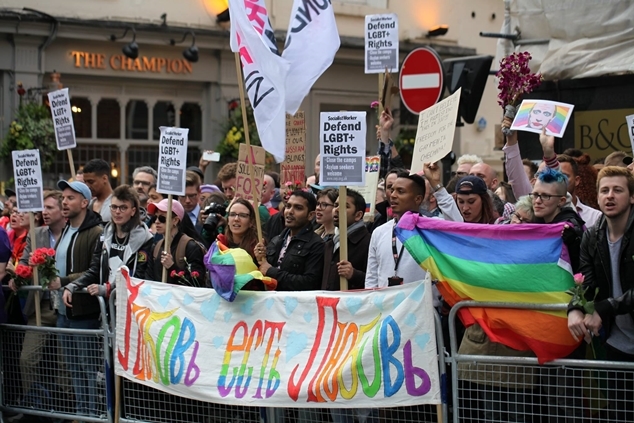
Reports have emerged from Chechnya that allege the region’s police are instructing parents to kill their gay children.

The allegations come from a man who reportedly survived what has been described as a “gay concentration camp”, where gay men are being held, tortured and even murdered.
The survivor told media authorities are telling parents of gay men to “sort it out”, threatening state intervention in the matter.
“We’ve always been persecuted, but never like this. Now they arrest everyone,” the escapee told France24.
“They kill people, they do whatever they want. They tell the parents to kill their child.”
The anonymous tipster said the threat from authorities is; “Either you do it, or we will.”
“They call it cleaning your honour with blood,” he continued.
The revelation comes after weeks of continuous reports of gay men being rounded up and kept in concentration camps.
US, UK, European and Australian authorities have condemned the alleged treatment of the nation’s gay citizens, but Chechen authorities deny the existence of gay men in the autonomous region.
A spokesperson for Chechen President Ramzan Kadyrov told media the reports of gay concentration camps are “absolute lies and disinformation.”
A representative for Russian President Vladimir Putin has also denied the claims, while earlier this week Russian police detained LGBT activists speaking out against Chechnya under the countries ‘Gay Propaganda’ laws.
Approximately 10 protesters were reportedly arrested on May 1 during a demonstration in St Petersburg, Russia’s second largest city.
German Chancellor Angela Merkel has confronted President Putin over the reports this week, while appearing together at a press conference in Sochi.
Chancellor Merkel asked The Kremlin to thoroughly investigate the claims and ensure the safety of LGBT people in Chechnya.
The German leader also pressed President Putin on the arrest of the protesters in St Petersburg.
“It’s important to have the right to demonstrate in a democracy, and the role of NGOs is very important,” Chancellor Merkel said.
“I asked Mr Putin to use his influence to protect these minority rights.”
OIP Staff