


In 1954, the Wolfenden Committee met for the first time
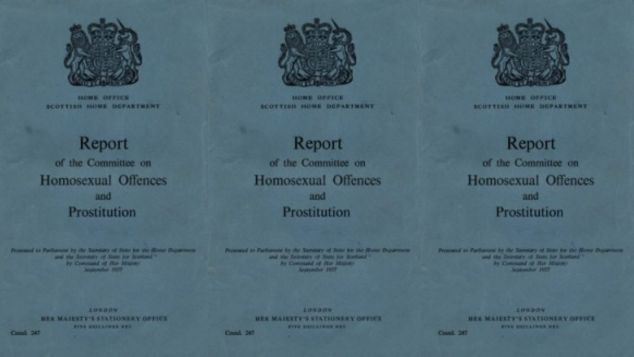
On this day in 1954, the Wolfenden Committee, also known as the Departmental Committee on Homosexual Offences and Prostitution, met for the first time.
The group was established by the British government to examine the law and practice concerning homosexuality and sex work.

The committee was named after its chairman, John Wolfenden, who was a British educationalist. The committee’s report, published in 1957, was a significant turning point in the history LGBT+ rights in Britain.
The Wolfenden Committee was set up when homosexuality was still a criminal offence in Britain. The committee was formed to investigate the existing laws and their application in practice and to make recommendations for their reform.
In 1954, there were 1,069 recorded homosexual men in prison in England and Wales.
The commissioning of the report was triggered by a high-profile prosecution which saw Edward Montagu-Scott (the 3rd Baron Montagu of Beaulieu) jailed alongside his cousin Michael Pitt-Rivers and friend Peter Wildeblood.
The committee heard evidence from a wide range of individuals and organisations, including lawyers, doctors, social workers, religious leaders, and representatives of the community.
The committee’s final report recommended that homosexuality between consenting adults in private should no longer be a criminal offence. The report also recommended that the age of consent for homosexual acts should be lowered from 21 to 18. The report was controversial and generated significant debate in the media and in Parliament.
The Woolfenden Committee’s report had a significant impact on the law and public attitudes towards homosexuality in Britain. While the report’s recommendations were not immediately implemented, they paved the way for the decriminalisation of homosexuality in Britain in 1967, although the age of consent was set at 21 years of age.
While the laws were changed in Britain, they still remain in many former British colonies around the globe.