


Mark Bingham was one of nearly 3,000 people killed on 9/11
On this day, the world witnessed one of the most devastating terrorist attacks in modern history.
On 11 September 2001, terrorists hijacked four passenger airliners. Two were flown into the Twin Towers of New York City’s World Trade Center, while another struck the Pentagon near Washington, D.C.

The fourth aircraft, United Airlines Flight 93, crashed into a field near Shanksville, Pennsylvania. Among those on board was Mark Bingham.
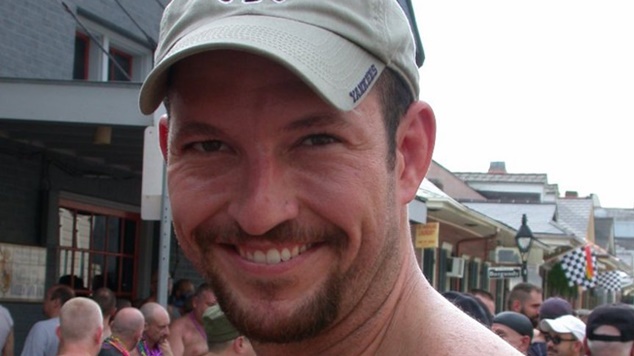
Bingham, alongside fellow passengers Todd Beamer, Tom Burnett and Jeremy Glick, attempted to retake the aircraft from the hijackers. According to the 9/11 Commission Report, the cockpit voice recorder captured evidence of passengers trying to gain access to the cockpit and regain control of the plane.
During the struggle, the aircraft crashed into a Pennsylvania field, killing everyone on board.
Investigators concluded that the hijackers likely intended to crash the aircraft into either the White House or the U.S. Capitol, but the actions of Flight 93’s passengers prevented the plane from reaching its target.
Through his courage, Bingham became a prominent figure who challenged stereotypes about gay men and highlighted the contributions of LGBTQ+ people in moments of national significance.
Bingham, along with the other passengers and crew who fought back against the hijackers, was posthumously recognised for extraordinary bravery. The international gay and inclusive rugby tournament, the Bingham Cup, was later named in his honour, helping ensure his legacy continues to inspire future generations.
Songwriter Bob Crewe died on this day in 2014
Bob Crewe was an American songwriter and record producer best known for creating a string of hits for The Four Seasons and for working with artists including Barry Manilow, Peabo Bryson, Roberta Flack, Michael Jackson and Lesley Gore.
In the musical Jersey Boys, which charts the success of The Four Seasons, Crewe is portrayed as openly gay. However, members of his family have said he was generally discreet about his personal life and sexuality.
Many of his best-known songs were co-written with Bob Gaudio, including Sherry, Big Girls Don’t Cry, Walk Like a Man, The Sun Ain’t Gonna Shine (Anymore) and Silence Is Golden. The pair also wrote Can’t Take My Eyes Off You for Four Seasons lead singer Frankie Valli.
Crewe also co-wrote Let’s Hang On with Sandy Linzer and Denny Randell, and later wrote the disco classic Lady Marmalade, which became a signature hit for LaBelle.
Actor Kristy McNichol was born on this his day in 1962
Kristy McNichol was born on this day in 1962. The actor found success as a child performer before becoming a popular television and film star.
In the 1970s, she appeared in several well-known television series, including The Love Boat, Starsky & Hutch and The Bionic Woman. In 1976, she was cast in the drama Family, a role that earned her two Emmy Awards and established her as one of television’s rising stars.
As the 1980s began, McNichol moved into film, starring in Little Darlings alongside Cynthia Nixon, Tatum O’Neal and Matt Dillon, and The Night the Lights Went Out in Georgia with Dennis Quaid and Mark Hamill.
In 1982, she appeared in The Pirate Movie alongside Christopher Atkins. The film was shot in Melbourne and featured several notable Australian performers, including Bill Kerr, Rhonda Burchmore, Maggie Kirkpatrick and Garry McDonald.
More success followed when McNichol joined the sitcom Empty Nest, a spin-off of The Golden Girls. She left the series in 1992 after being diagnosed with bipolar disorder, but returned for its final episode in 1995.
In 2001, McNichol announced her retirement from acting. She returned to the public spotlight in 2012 when she revealed that she was a lesbian and had been happily living with her partner since the early 1990s.
McNichol said she chose to speak publicly about her sexuality in the hope that it would help combat bullying faced by young people, particularly those struggling with their identity.