

Premium Content:

Gerard Rennick quits the Liberals to form his own party

Liberal senator Gerard Renick has quit the Liberal National Party to form his own ‘People First’ political party.

The move comes after party members opted to place the incumbent senator in the unwinnable third spot on their senate ticket for the next federal election.

- Advertisement -

The senator for Queensland was elected at the 2019 election but was often critical of the Morrison government. He often spends his time in parliament arguing against gender identity, the existence of climate change, and arguing against Covid-19 health advice.
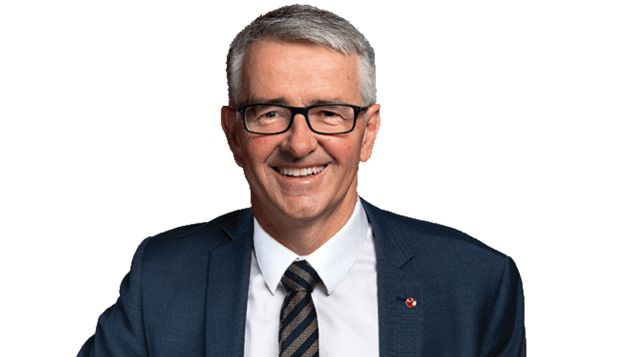
Senator Rennick will now move to the cross bench and apply to the Australian Electoral Commission to establish his Gerard Rennick’s People First Party.

He says he will campaign at the next election on a range of issues including increasing the tax-free income threshold from $18,200 to $40,000. He’s also like to see the establishment of a public bank and government insurance office, as well as significant changes to childcare support, and see superannuation become voluntary.

“I have decided to fight for the Australian people as an independent senator at the next federal election”. Senator Rennick told The Australian on Sunday.

“While I would have preferred to lobby for issues that are important to the Australian people inside the tent of the LNP that option is no longer available to me.

“I believe that government overreach is killing individual responsibility, aspiration and entrepreneurship in Australia.” Senator Rennick said.

Since the 2022 election several coalition MPs have quit the party including David Van, Andrew Gee and Russell Broadbent.


Latest

Glenorchy City Council in Hobart announces first ever LGBTIQA+ Action Plan

The Council unanimously endorsed the five-year Plan and Commitment.

New report finds discrimination against trans and gender diverse Australians is widespread

Released on the International Trans Day of Visibility, Equal Identities examines the barriers trans and gender‑diverse people in Australia face in having their right to equality, dignity and respect upheld.

Caster Semenya speaks out against new gender rules at the Olympics

The South African athlete said it was disappointing that IOC President Kristy Coventry had taken the pathway to blocking participation.

On This Gay Day | Gilbert Baker, designer of the Pride flag, died

The flag he designed in 1976 has become an international symbol for LGBTIOQA+ communities.

Newsletter

Don't miss

Glenorchy City Council in Hobart announces first ever LGBTIQA+ Action Plan

The Council unanimously endorsed the five-year Plan and Commitment.

New report finds discrimination against trans and gender diverse Australians is widespread

Released on the International Trans Day of Visibility, Equal Identities examines the barriers trans and gender‑diverse people in Australia face in having their right to equality, dignity and respect upheld.

Caster Semenya speaks out against new gender rules at the Olympics

The South African athlete said it was disappointing that IOC President Kristy Coventry had taken the pathway to blocking participation.

On This Gay Day | Gilbert Baker, designer of the Pride flag, died

The flag he designed in 1976 has become an international symbol for LGBTIOQA+ communities.

Liberal candidate who was set to replace Moira Deeming withdraws

Dinesh Gourisetty pulls out after it was revealed he wrote a character reference for a now convicted pedophile.

Glenorchy City Council in Hobart announces first ever LGBTIQA+ Action Plan

The Council unanimously endorsed the five-year Plan and Commitment.

New report finds discrimination against trans and gender diverse Australians is widespread

Released on the International Trans Day of Visibility, Equal Identities examines the barriers trans and gender‑diverse people in Australia face in having their right to equality, dignity and respect upheld.

Caster Semenya speaks out against new gender rules at the Olympics

The South African athlete said it was disappointing that IOC President Kristy Coventry had taken the pathway to blocking participation.
